

Quick Guides
Working Quick Guide Living Quick Guide Relaxing Quick GuideDo I need an official permit to work in the region?
Job seekers from another Swiss canton do not require a special permit. For citizens of EU/EFTA countries, the following applies: thanks to the Agreement on the Free Movement of Persons, they are allowed to live and work in Switzerland without a special work permit. However, they must have a valid employment contract (fixed-term or permanent) and apply for a residence permit from the Migration Office. No permit is required for short-term assignments of up to three months per calendar year; it is sufficient to register via the official registration procedure at least one day before starting work.
Are the workplaces easily accessible by public transport and cycle paths?
Yes, the workplaces in the Sarganserland-Werdenberg region are easily accessible by public transport and bicycle.
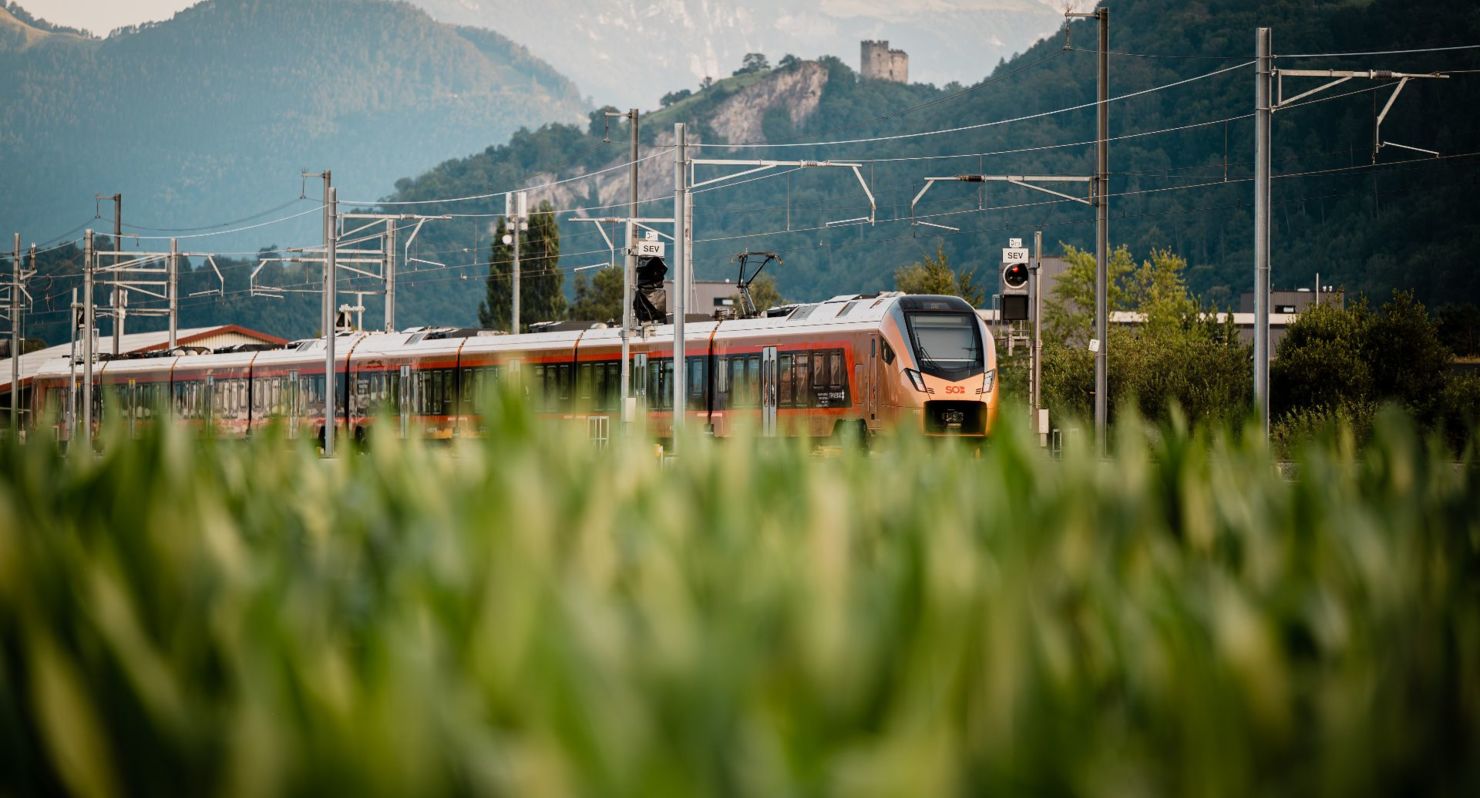
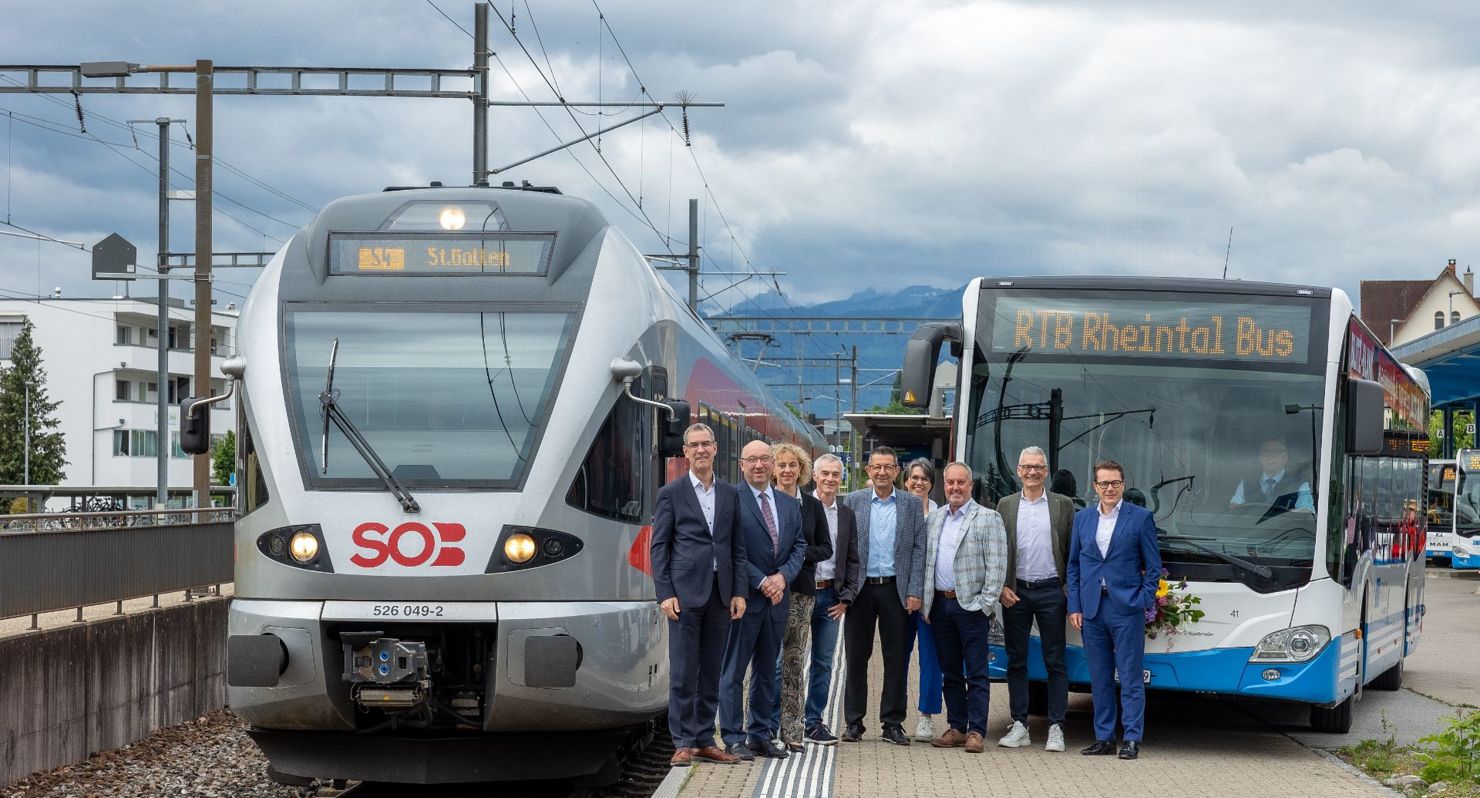
With the timetable change in December 2024, public transport services were significantly expanded: the InterRegio IR13 and the new Alpenrhein-Express run together every half hour and connect Buchs and Sargans directly with Chur, St. Gallen, and Zurich.
Thanks to cooperation with LIEmobil (Liechtenstein) and ÖBB (Austria), cross-border connections are also seamlessly possible – commuting across national borders has never been easier.
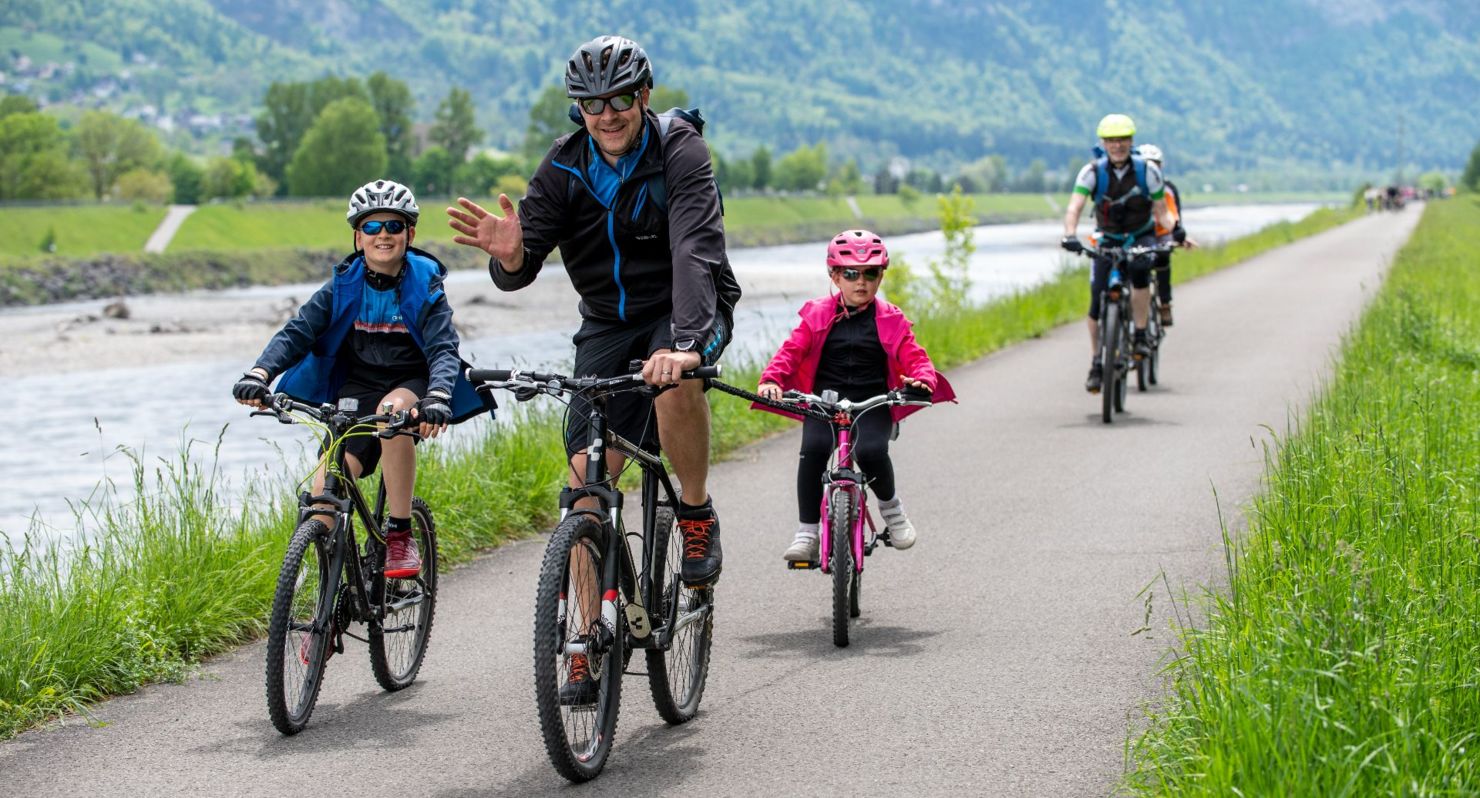
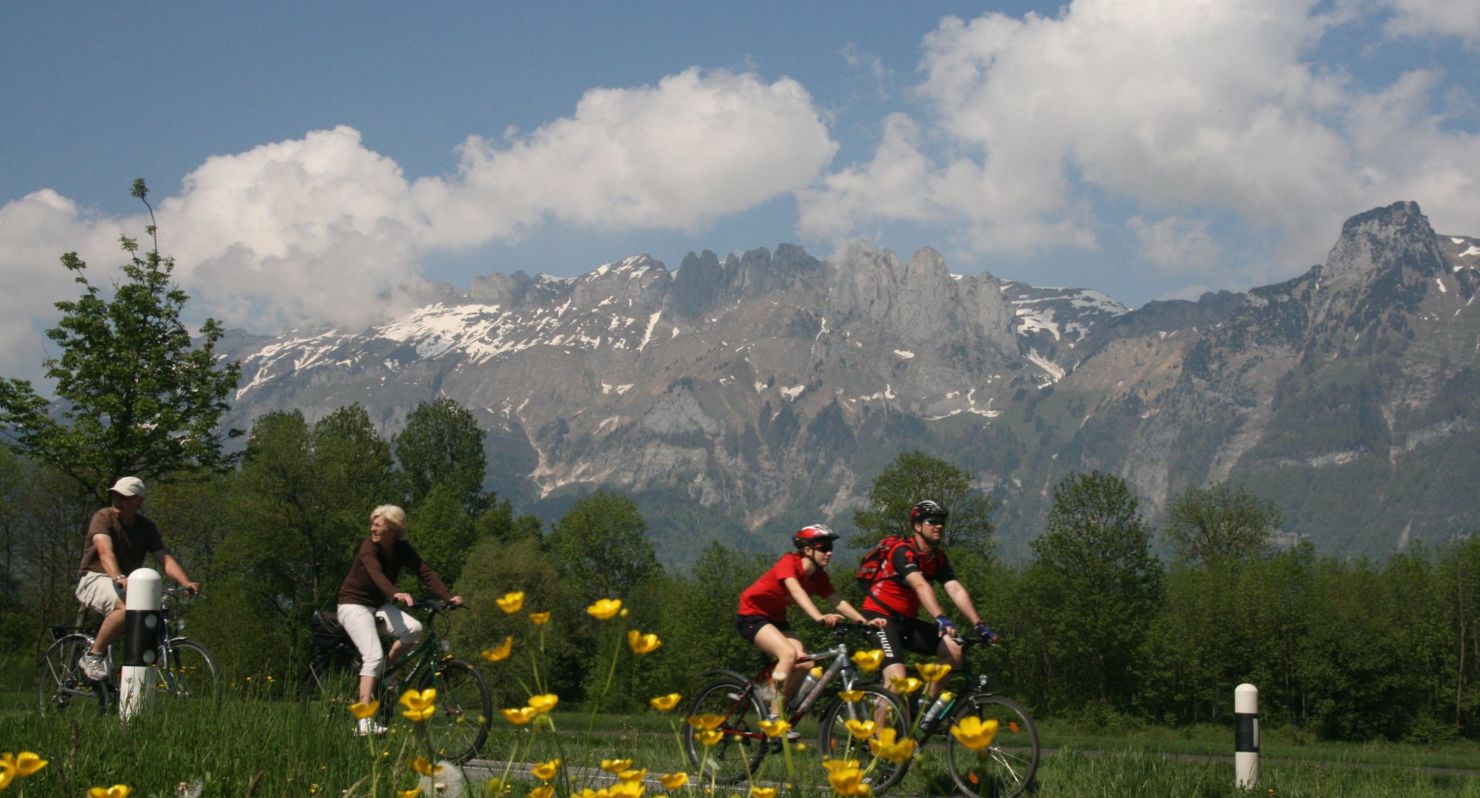
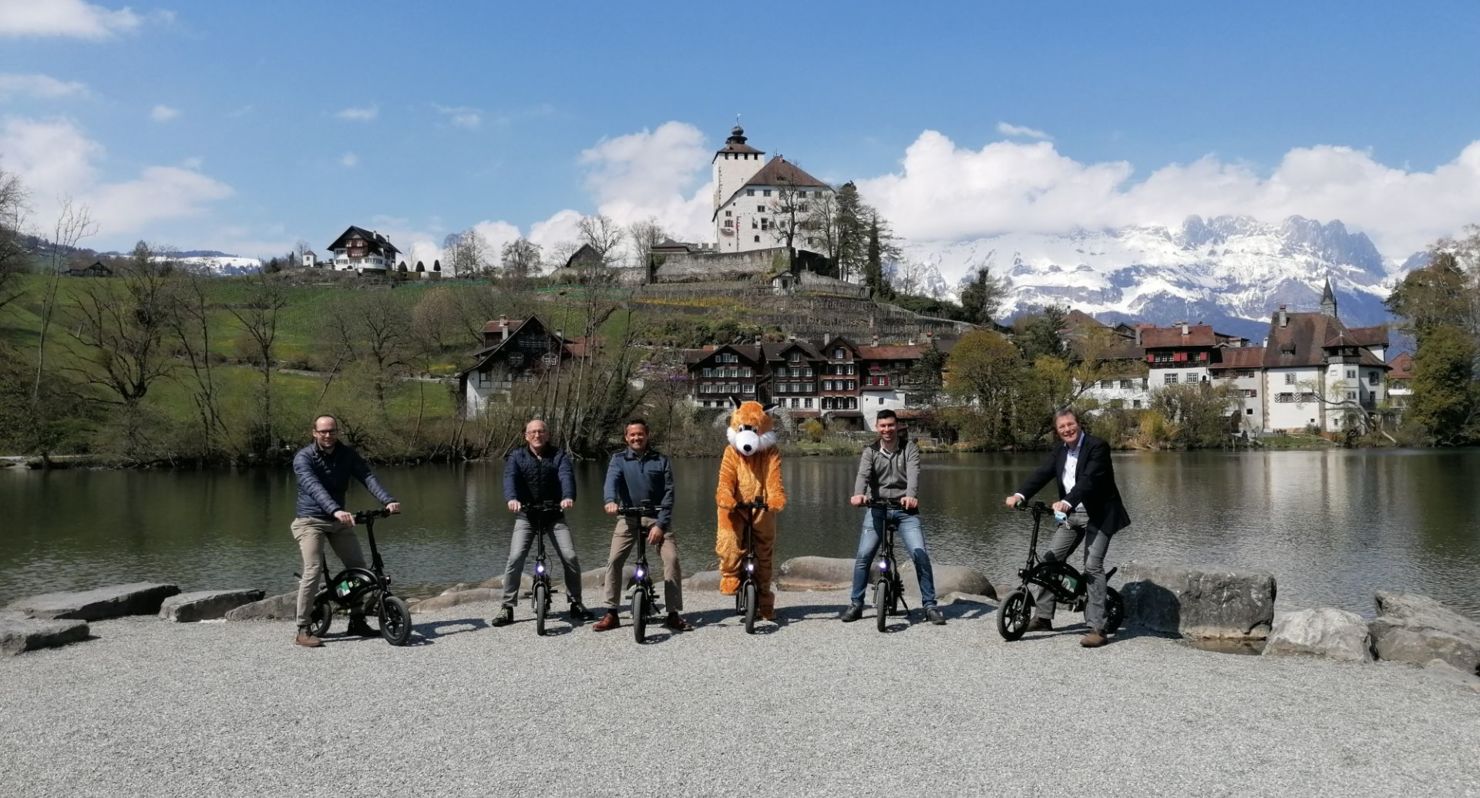
In addition, the region actively promotes non-motorized transport: projects such as the non-motorized transport bridge between Buchs and Vaduz improve accessibility by bicycle and strengthen environmentally friendly everyday transport.
Timeteable Liechtenstein (https://liemobil.li/en)
Timetable ÖBB (oebb.at/en/)
What is the state of the jobs market in Sarganserland-Werdenberg?
The Sarganserland-Werdenberg region has a low unemployment rate and a diverse economic structure – ranging from industry and healthcare to tourism and education.
The cross-border labor market with Liechtenstein and Austria opens up additional prospects and makes the region particularly attractive for skilled workers.
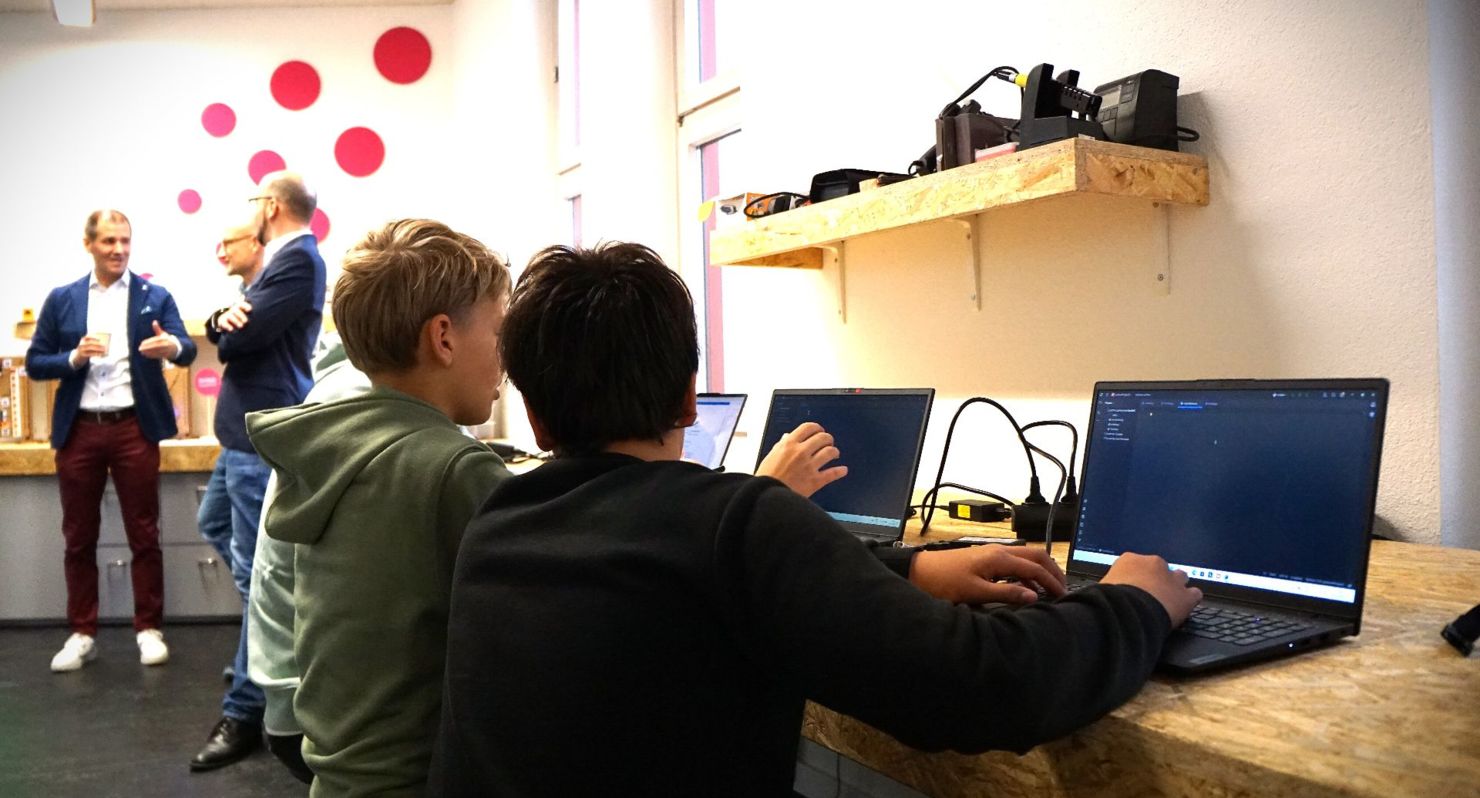
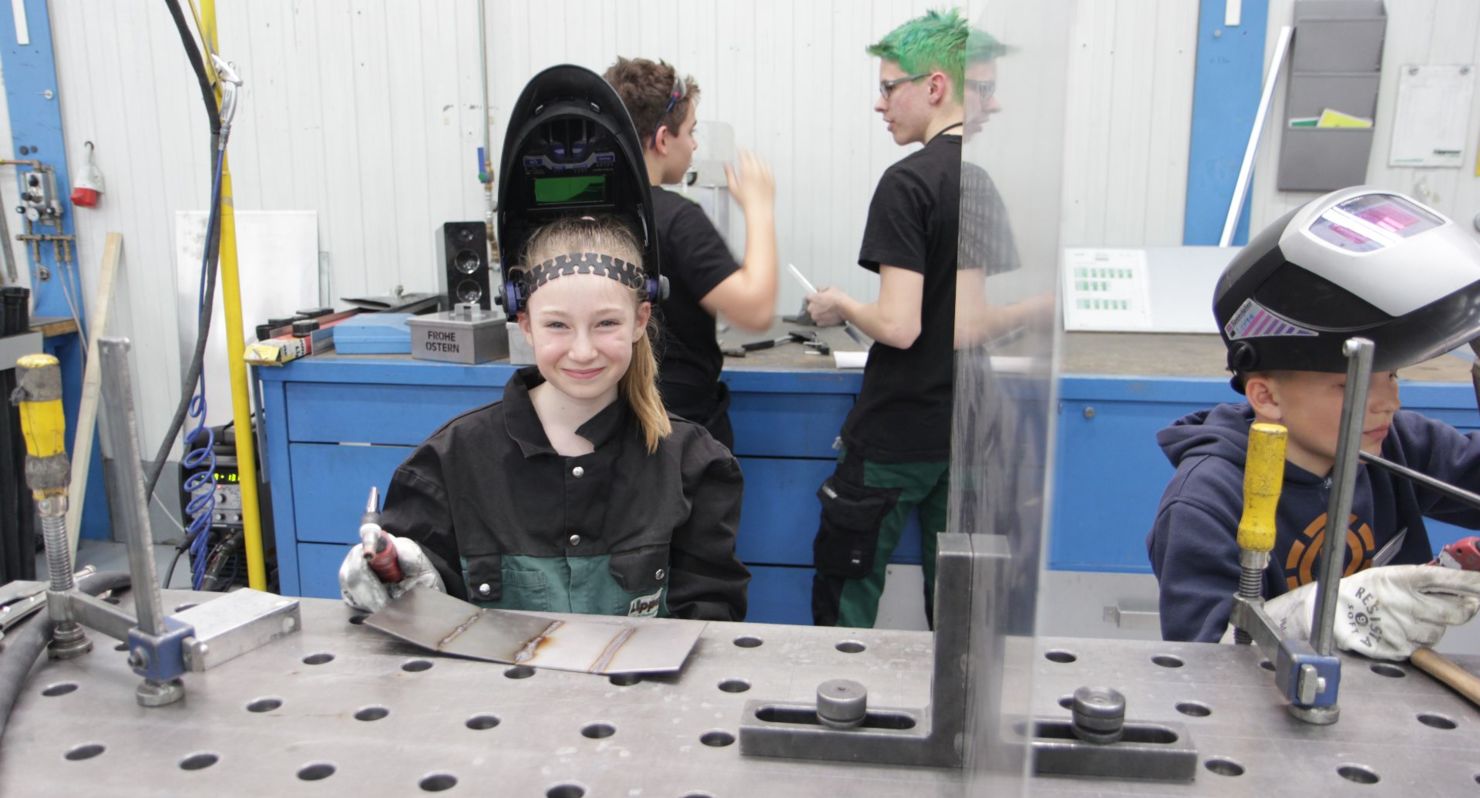
Well-trained people are in constant demand, especially in technical professions, healthcare, and education. The region is also actively committed to promoting young talent, for example through the Fitna Technology Days and the Smartfeld education lab.
Job portal for Eastern Switzerland (ostjob.ch/)
Employers' association (agv-sw.ch/)
Can my spouse or partner work in the region too?
Spouses and children of EU/EFTA nationals who move to Switzerland as part of family reunification are entitled to access the Swiss job market, regardless of their own nationality. A special work permit is not required, but the employment must be reported to the local authorities when registering with the municipality of residence and a residence permit must be applied for. A valid identity document and an employment contract or letter of offer must be presented.
Hello SG Family reunion (hallo.sg.ch/en/zusammenleben/familien/familiennachzug.html)
Office for Migration (sg.ch/sicherheit/migrationsamt.html)
Do I have to pay withholding tax?
Cross-border commuters and foreign employees who are resident or domiciled in Switzerland for tax purposes are subject to withholding tax, provided they do not have a C residence permit and are not married to a Swiss citizen or a person with a C residence permit. The employer is obliged to deduct the tax due directly from the employee's salary and forward it to the cantonal tax authority. The amount of withholding tax varies depending on the canton and personal circumstances.
If you have a permanent residence permit (C permit) or if your spouse has Swiss citizenship or a C permit, you are subject to ordinary taxation and must declare your income and assets on your official tax return.
Hello SG Taxes (hallo.sg.ch/en/arbeit-finanzen/steuern.html)
What childcare options are there in the region?
The Werdenberg-Sarganserland region offers families a diverse and well-developed range of family and after-school childcare options. These include daycare centers for infants and toddlers up to kindergarten age, after-school care centers and lunch clubs that provide reliable care before and after school and during lunchtime, as well as daycare families that offer flexible and family-oriented care in a private setting. In order to promote and further develop the quality and availability of these services, the various providers and organizations in the region have joined forces to form the Werdenberg-Sarganserland Childcare Interest Group. The IG is actively committed to promoting the compatibility of family and career.